





Cambodia exports to RCEP surpass $8 billion
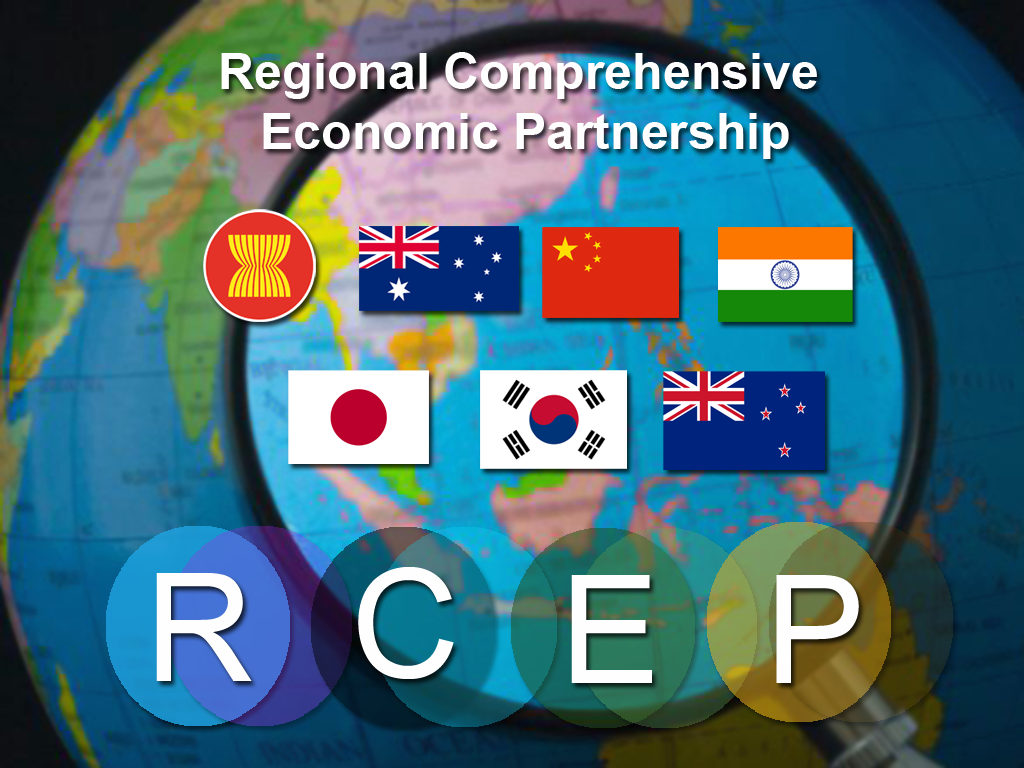
Cambodia exported $8,146 million worth of goods to the Regional Comprehensive Economic Partnership (RCEP) countries between January and October this year, up 10 percent from $7,402 million in the same period last year, a report from the Ministry of Commerce showed yesterday.
The Kingdom’s export to RCEP accounted for 31.45 percent of Cambodia’s total export of $25,902 million during the period, read the report.
From January to October, the country imported $24,784 million worth of goods from RCEP nations, an increase of 18.53 percent from $20,910 million in the same period last year.
These figures made the two-way trade reach $32,931 million, a year-on-year increase of 16.31 percent, accounting for 61.45 percent of the country’s total international trade of $53,587 million in the mentioned period.
According to Ministry of Commerce’s Secretary of State and spokesperson Penn Sovicheat, this mega regional trade agreement has benefitted Cambodia with huge markets for exports and played a catalyst role in attracting investors.
Speaking with Khmer Times, Sovicheat said, “RCEP has become crucial for the nation’s economic progress, ensuring a continued and definite rise in Cambodia’s exports to other member countries in the bloc.”
Cambodia’s main export products are garments, machinery, electrical equipment, footwear products, leather goods, grain, furniture, rubber, fruits, vegetables, pearls, toys and textiles.
Cambodia’s major imports include raw material for garment manufacturing, medicines and supplements, consumables and food and beverages.
The ministry is currently working to create more free trade agreements with main trade partners to expand market access to local products for export.
As Cambodia prepares for its graduation from Least Developed Country (LDC) status, a move that will eventually lead to the loss of some preferential trade benefits, the Royal Government is currently working to create more free trade agreements with main trade partners to expand market access to local products for export.
The ministry has encouraged the private sectors to fully take maximum advantage of the free trade agreements, such as bilateral FTAs and RCEP, to leverage exports.










































First, please LoginComment After ~